Immunology 899km by Nawal Alshammari

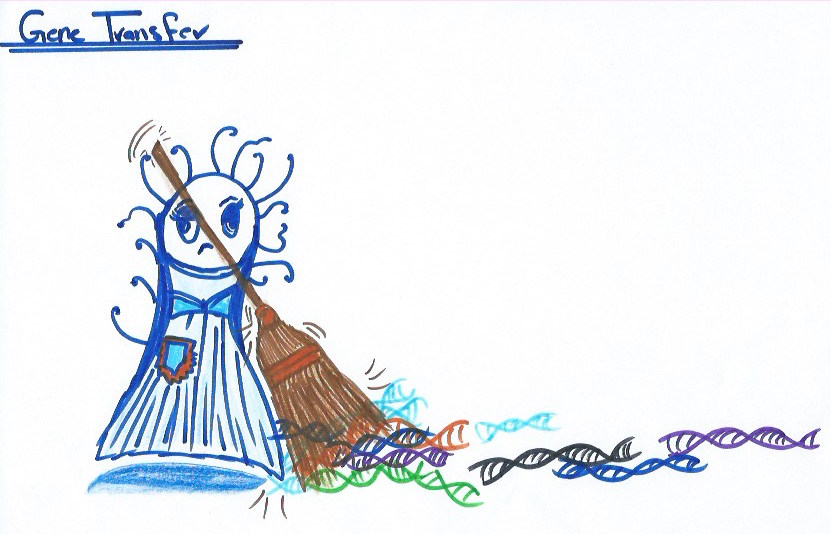
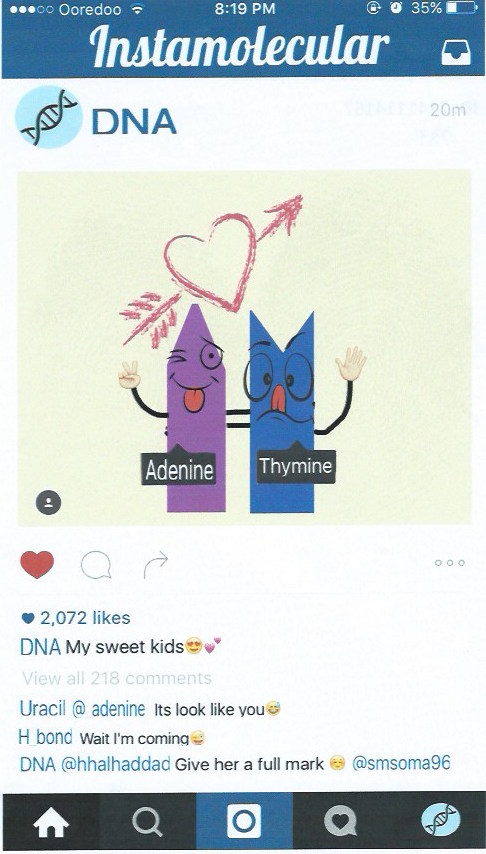
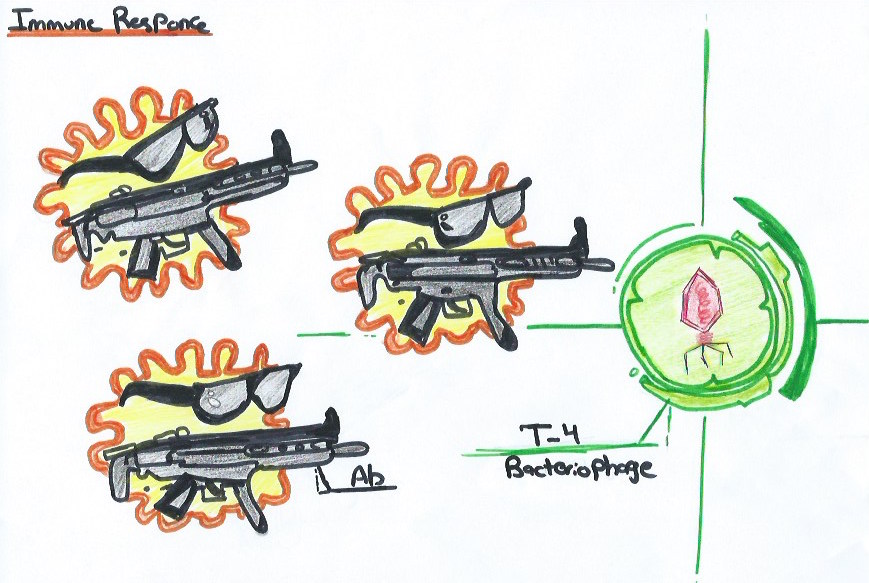
منذ أيام قليلة وعند بوابة المبنى الذي ألقي فيه محاضراتي رأيت إحدى طالباتي السابقات (نوال الشمري) مقبلة نحوي. كنت أظن أنها ترغب في إلقاء التحية كما هي عادة أغلب الطلبة الذين يعرفوني وأعرفهم. غير أن نوال فاجأتني بملف يحمل أوراق وقالت أنها أتت خصيصاً لهذا المبنى كي تعطيني هذا الملف. كان الملف يحوي ثلاث أعمال فنية تحاكي ما تعلمته نوال في مقرر المناعة والذي كان في الصيف الماضي. لم أتفاجأ بإبداع نوال خصوصاً وأنها في مقررين سابقين قدمت لي أعمال إبداعية مميزة. كانت المفاجأة أن العمل الإبداعي هو لمقرر لا أدرسه وفي غير تخصصي الدقيق.أسعدتني مبادرتها وأغرقني سعادةً أنها بعد اليوم لا تحتاجني كي تستمتع بما تتعلم في شتى المجالات. كانت تعتذر وتتساءل إن كنت أسمح باستقبال وتقييم أعمال من هذا النوع في خارج إطار ما أطرحه من مقررات وموضوعات. قلت لها وأقول لكل فرد مبدع يقرأ هذه الكلمات أنه شرف لي أن تشاركوني عقلكم وإبداعكم ويسعدني أن أضع أي عمل إبداعي في هذه الصفحة الإلكترونية و التي  خصصتها لأعمال الطلبة المبدعين. لا شرط عندي ولا حد للإبداع أي كانت صوره. كانت على شكل رسومات أو كلمات وبأي لغة كانت. أي ابداع يكون خلاصة حب لعلم تعلمه الطلبة هو مرحب به وبشده. شكراً نوال
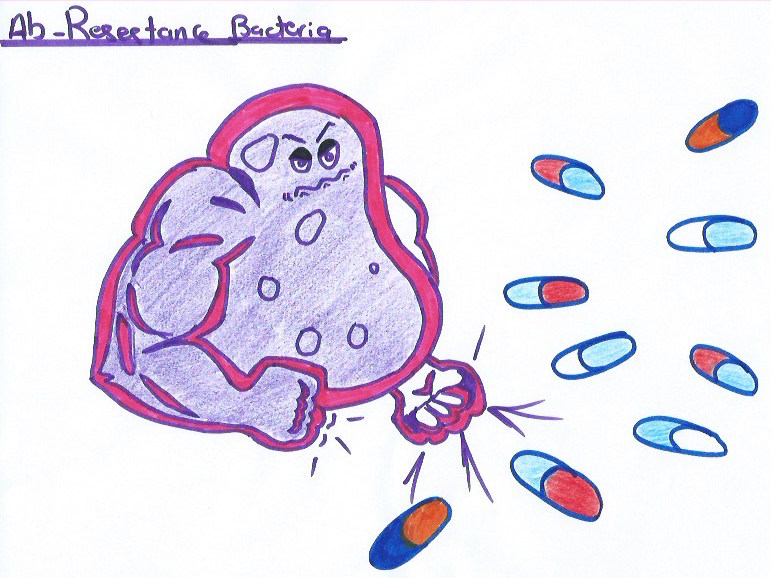
nawal_immunology1

nawal_immunology2

nawal_immunology3

What are camelids?

What are camelids?

By: Bader H. Alhajeri
Assistant Professor of Zoology, Kuwait University


Camalids are ‘camel-like’ mammals (characterized by long legs and necks) belonging to the family Camelidae (of which Camelinae is the only extant subfamily). This group consists of three extant genera: Camelus, Vicugna, and Lama. The first genus includes both the Arabian single-humped dromedary camel: Camelus dromedaries and two species of the Mongolian two-humped Bactrian camel: Camelus bactrianus (domesticated Bactrian) and Camelus ferus (wild Bactrian)—this genus, along with extinct relatives belongs to the tribe Camelini. The other two genera consists of South American camelids: the alpaca (Vicugna vicugna and Vicugna pacos) and the Llama (Lama glama and Lama guanicoe), both of which belong to the tribe Lamini.

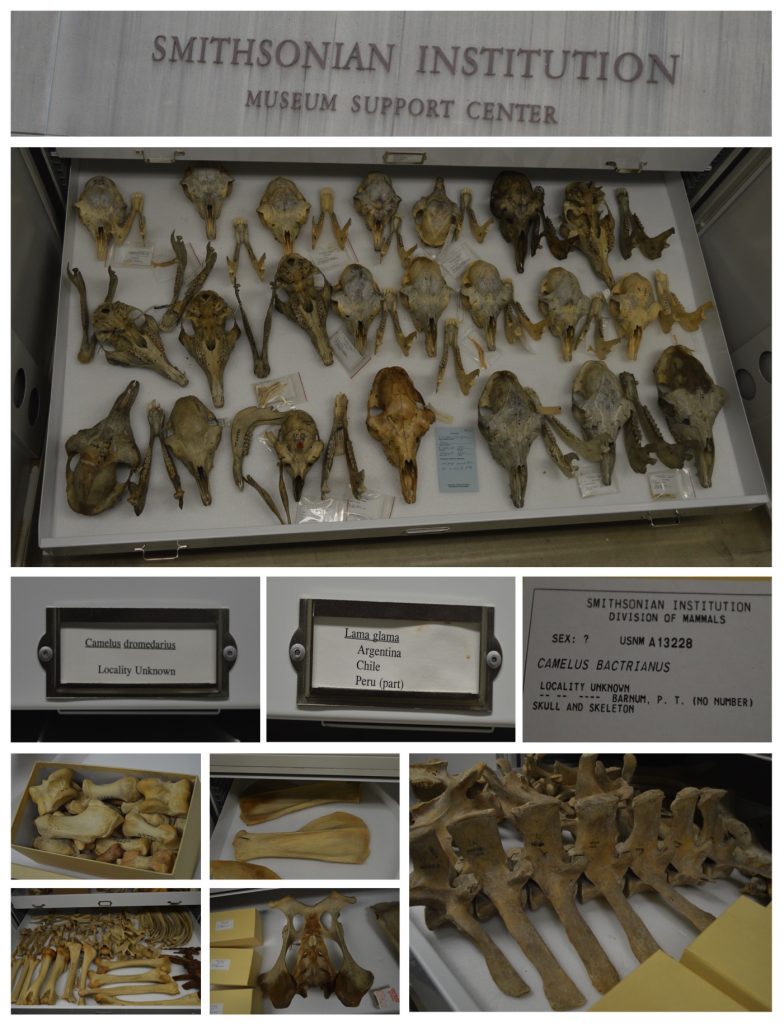
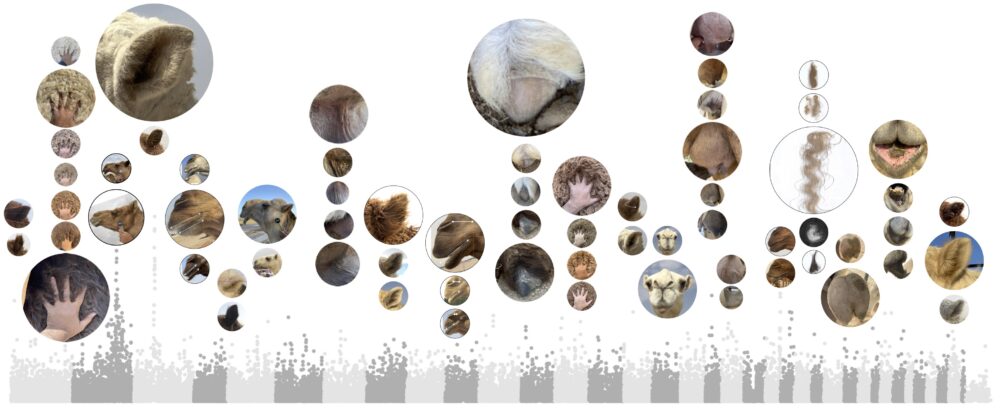
As part of our ongoing effort, at the Jamalid Report research group, to study the dromedary and associated camelids, during my most recent visit to the United States Museum of Natural History (in August 2016), I spent some time examining the camelid skeletons housed at their Museum Support Center. The Support Center is a facility that houses >54,000,000 items of the Smithsonian’s collection, that are not on display. I am grateful to Mr. Darrin Lunde, the USNM Mammals Collection Manager, for arranging this visit. The examination of the camelid skeletons gave me an appreciation for the similarities (and differences) that occur in this group—I was especially struck by the extensive similarities in the crania and dentition. This experience was insightful, and will undoubtedly prove useful, in our ongoing exploration of this interesting, yet relatively understudied, group—the first step of which consists of examining the extent of morphological (and molecular) variation in dromedary camel breeds.

Pictures of some of the camelid skeletons examined at the USNM collection follow.

post1_photos

EHRAB Fall 2016

EHRAB this year will be different from previous years.  The focus will be on camelid books and papers.  The plan is to meet every week on Monday and at 12:30.  EHRAB will be held in the Jamalid Report lab (1 Kh room 150).  Throughout the semester we will read a book chapter and a peer-reviewed papers in alternating fashion.  Below are the dates and the reading material.  If you are interested in joining us in reading the book chapters of Medicine and Surgery of Camelids by Murray Fowler, please don’t hesitate to send me (hhalhaddad@gmail.com) an email to get the material.

Monday Oct 10: Chapter 1- General biology and evolution

Monday Oct 17:

Computed Tomographic Anatomy of the Fore Foot in One-Humped Camel (Camelus dromedrus). by Adel M. Badawy
Magnetic Resonance Imaging of the One-Humped Camel (Camelus Dromdarius) Digits. by El-Shafey and Abd Al-Galil.


Monday Oct 24: Chapter 2- Feeding and Nutrition

Monday Oct 31:

Production of the First Cloned Camel by Somatic Cell Nuclear Transfer. by Wani et al.


Monday Nov 7: Chapter 3- Restraint and Handling

Monday Nov 14:


Monday Nov 21: Chapter 4- Clinical Diagnosis

Monday Nov 28:


Monday Dec 5: Chapter 5- Anesthesia

Monday Dec 12:

Ancient and modern DNA reveal dynamics of domestication and cross-continental dispersal of the dromedary. by Almathen et al.
TBA


Monday Dec 19: Chapter 6- Surgery

Monday Dec 26:

TBA
TBA


Monday Jan 2 / 2017: Chapter 7- Infectious diseases

Monday Jan 9 / 2017:

TBA
TBA

Recommended Programs

KURwFUR participants:

All the following programs are free, and could make the process of R coding easier, especially for PC users, and also for other purposes:

RStudio

A powerful and productive user interface for R

Notepad2

Notepad-like text editor with syntax highlighting

FigTree

A graphical user-interface (GUI) application for viewing phylogenies and producing publication quality figures

Bader H. Alhajeri

Hello KURwFUR-2016 participant

KURwFUR_logo

We are pleased that you are interested in our workshop. We look forward to provide you with an informative, beneficial, and fun learning experience. Below are some instructions/suggestions:

  1. Wear something comfortable. We will spend a few hours setting and enjoying R experience.
  2. Bring your favorite mug. We will provide a coffee machine and tea + hot water.
  3. Bring a sweater. It might get a bit cold due to the air conditioner not Kuwait’s weather.
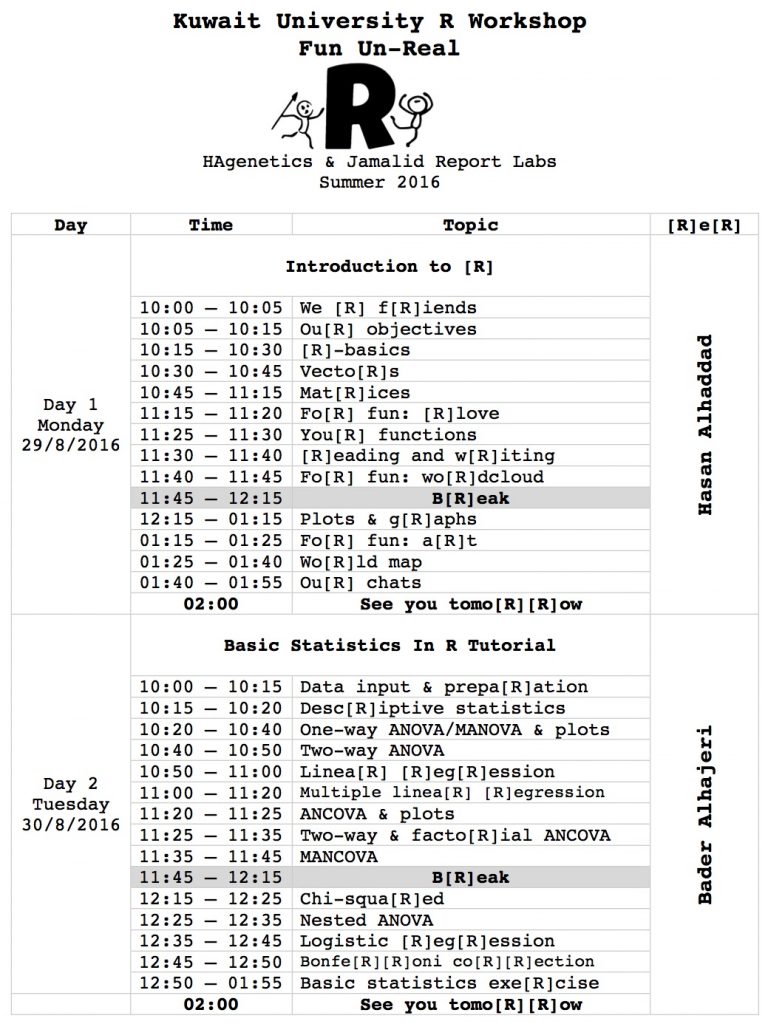
  4. The full program of the workshop will be emailed to you and posted here.
  5. Do not forget to bring your laptop with its charger.
  6. Do not forget to bring your portable wifi (if you have one).
  7. Bring your data in case you want to analyze it using R.
  8. Please remember that we would like to make this workshop a fun learning experience.

R software download:

  • You need to go to (r-project.org). Click on download R.
  • From the CRAN Mirrors page, click on (Hungary, Rapporter.net, Budapest). You will get another page entitled Download and Install R.

For PC:

  1. Click on Download R for Windows
  2. You’ll be directed to another page titled R for Windows
  3. Choose install R for the first time
  4. Click on Download R 3.3.1 for Windows and choose save file
  5. Run the downloaded file choosing English as the language
  6. Go with the default settings (keep clicking next till it is installed)
  7. You will get an R icon on your desktop.

For MAC:

  1. Click on Download R for (Mac) OS X
  2. Choose the link that correlates to your system’s version. (For example R-3.3.1.pkg if your running system is OS X 10.9 or higher)
  3. Run the downloaded program, if you get (unidentified developer) message open Settings > Security and choose open anyways.
  4. Go with the default settings, and click install.
  5. The R icon will appear in the applications area.

You are all set now to have some fun!

Please, feel free to email (jamalidreport@gmail.com) for any concerns or questions.

Thank you…

KURwFUR organizers

Visual 899km (Sultan Center)

Throughout my lectures in Introduction to Molecular Biology (281) course I ask the students:

  • Where does the cell get DNA polymerase from?
  • From where does E. coli get the lac or trp repressors?
  • Where do ribosomes come from?
  • etc.

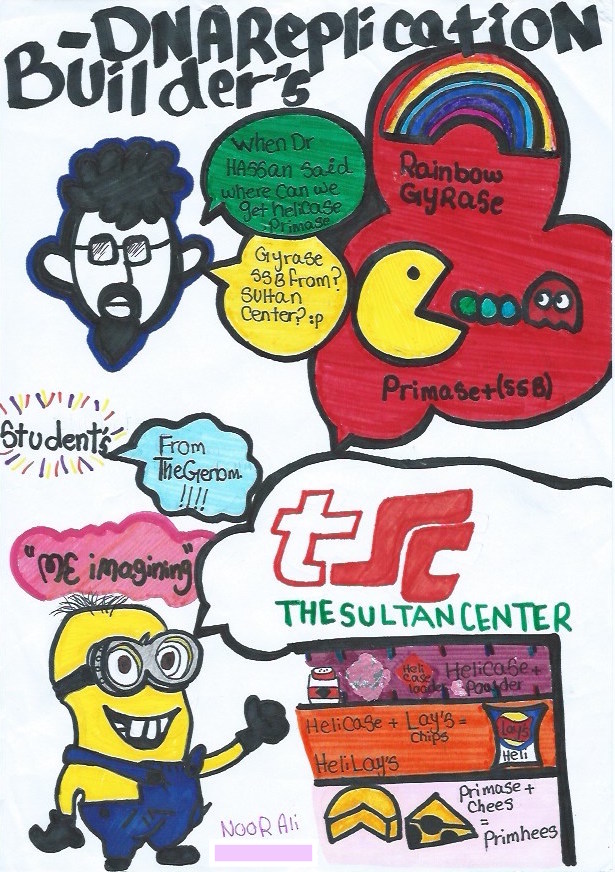
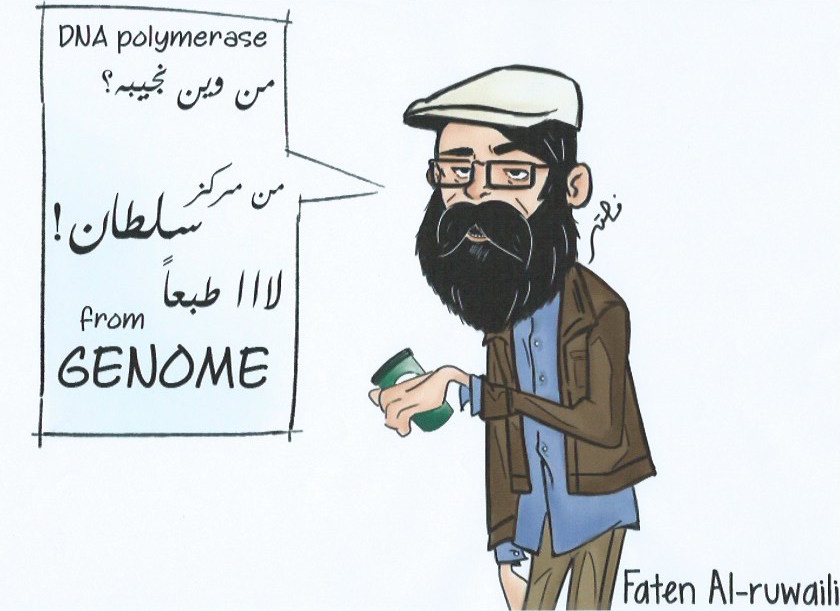
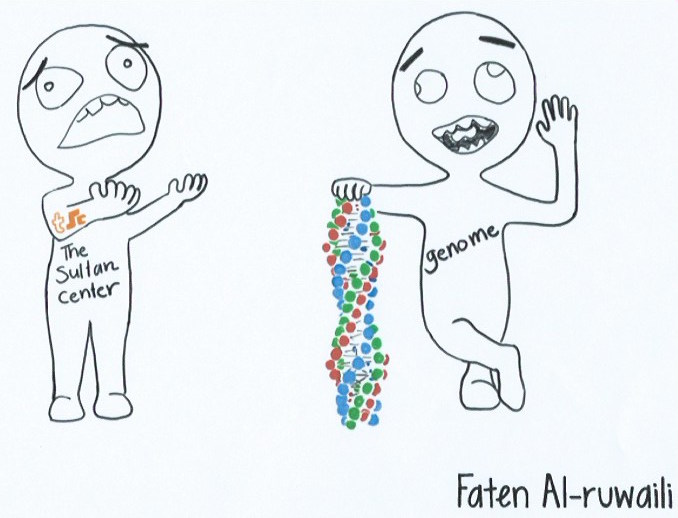
I ask many questions of that nature depending on the material covered.  Most of the time, I see puzzlement in the students’ eyes.  My reply is always “the cell purchases DNA polymerase from Sultan Center (a supermarket).  The cell finds what it needs in aisle 3 and on shelf 5”.  The students realize that there is something wrong going on.  I laugh and explain that genes exist to make what the cell needs.  After few weeks, they get the point and they can easily respond to my question and kills the joke in its infancy :-).

Noor Ali and Faten Alruwaili have produced interesting visual 899km about my use of Sultan Center (a supermarket) joke.  Faten has done good job drawing me in class with my ice coffee in my hand :-).  I never thought I look that cool.

Noor_ali

Faten_SultanCenter1

Faten_SultanCenter2

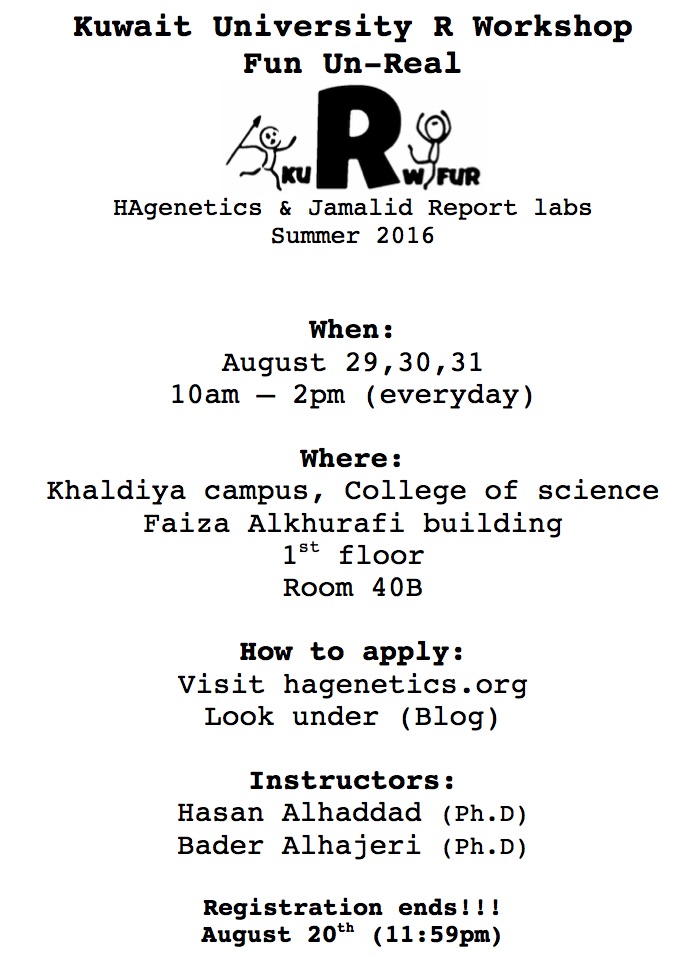
KURwFUR Summer 2016 (كر وفر)

2016_KURwFUR_announcement


How to apply?

  1. Download application form (2016_KURwFUR_application).
  2. Fill out the application.
  3. Save the application with your name at the end (ex. 2016_KURwFUR_application_NAME).
  4. Email the application (ex. 2016_KURwFUR_application_NAME) to jamalidreport@gmail.com.
  5. Make sure the following is included in your email:
    1. Subject: KURwFUR 2016 application
    2. Attach the file (ex. 2016_KURwFUR_application_NAME)

For your information:

  1. Registration starts now.
  2. Registration ends August 20th (11:59 pm).
  3. Applications will be reviewed and evaluated.
  4. Only 15 applicants will be accepted.
  5. KURwFUR is offered to:
    1. Researchers
    2. M.Sc. and Ph.D. holders
    3. Graduate students
    4. Undergraduate students working in a lab (If you are an undergraduate student, you need to submit a short recommendation letter from your professor, and we will look into your application).
  6. You will get an email about your acceptance/rejection after the 20th of August.
  7. Note: If accepted, there is a refundable deposit required to participate (30 KD).  This is only as an insurance of your seriousness.  You will get your money back during the workshop.

Forensic Analysis of Biological Evidence (301)

Below are the lectures prepared for the class.  Click on the title of the lecture and it will take you to SlideShare website where you can download the material as pdf.

301_syllabus_Spring2018
Lec 1: General Introduction
Lec 2: Review of genetics
Lec 3: Mendel’s experiments and factors
Lec 4: The genome: genetic material
Lec 5: DNA chemical composition
Lec 6: DNA structure and genetic code
Lec 7: Genomic coding and non-coding
Lec 8: Cells and DNA sources
Lec 9: DNA extraction
Lec 10: DNA Quality and Quantity
Lec 11: PCR
Lec 12: DNA sequencing: Sanger method
Lec 13: Genome assembly & resequencing
Lec 14: Polymorphisms: repeats & SNPs
Lec 15: Genotyping STR
Lec 16: Genotyping SNPs
Lec 17: Bi-allelic vs. multi-allelic markers
Lec 18: STR: Allele/genotype frequencies
Lec 19: SNP: Allele/genotype frequencies
Lec 20: Objective vs. subjective evidence
Lec 21: Panel of molecular markers
Lec 22: Frequency database
Lec 23: Genetic profiling
Lec 24: Probability of match/exclusion


Figures, photos, and graphs in my lectures are collected using google searches.  I do not claim to have personally produced the material (except for some). I do cite only articles or books used. I thank all owners of the visual aid that I use and apologize for not citing each individual item.  If anybody finds the inclusion of their material in my lectures a violation of their copy rights, please contact me via email.
hhalhaddad@gmail.com