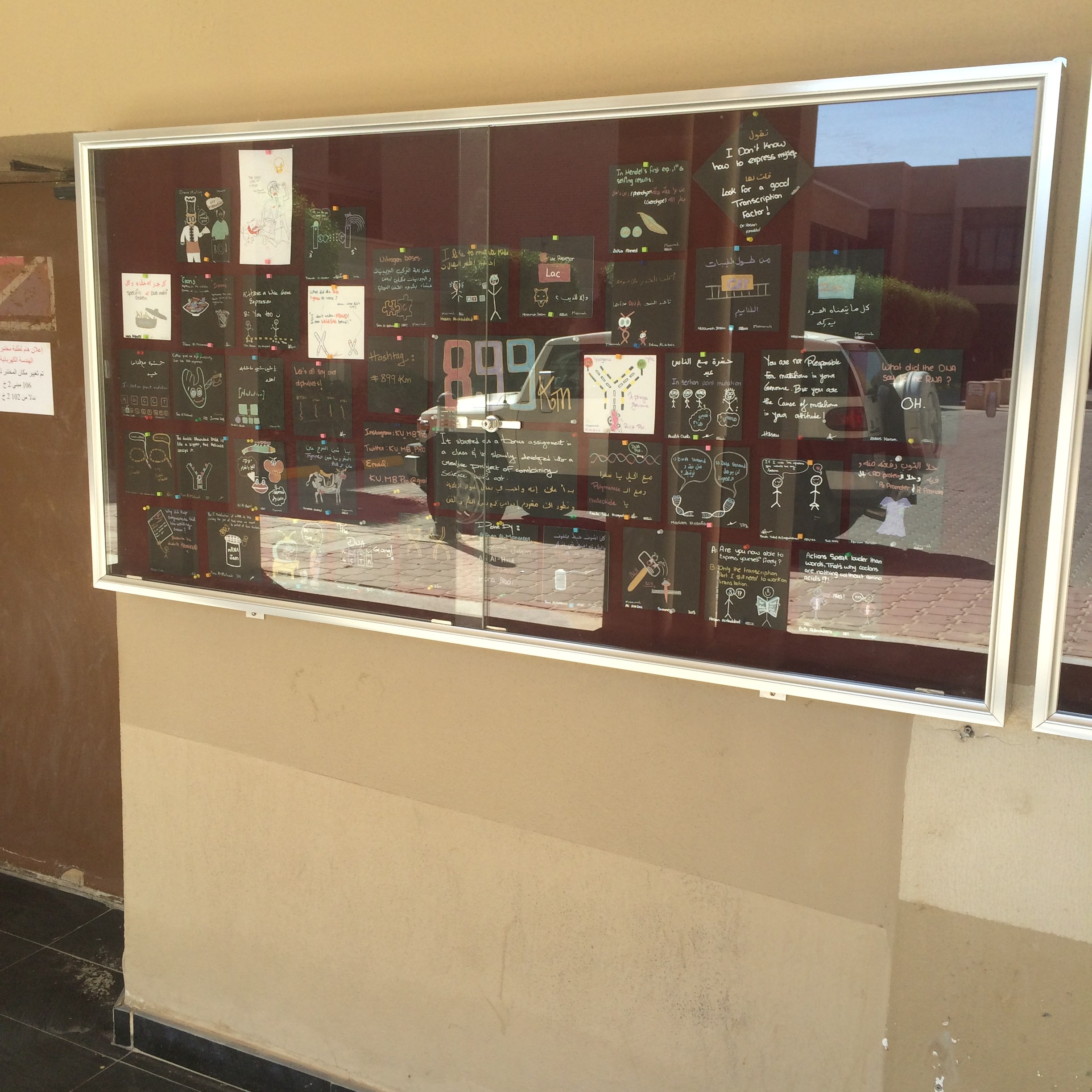
Many students have participated in this project indirectly. In my classes I ask students to write or draw something related to the topics covered and things they see and hear in real life. I have seen many great stories and art work. This blog is devoted to share my student’s great stories. A great bunch of students are in charge of organizing this fun project. The 899km team is (Afnan Almanaseer, Masumah Khamesi, Ali Al Haid, Huda Askar, Mona Abdi).
Author Archives: Hasan
EHRAB for Fall 2015
Wednesday 30/9/2015
Genetic Mutation. by Suzanne Clancy 2008
DNA Deletion and Duplication and the Associated Genetic Disorders. by Suzanne Clancy & Kenna M. Shaw, 2008
Wednesday 21/10/2015 (Changed!!!)
History of genetic disease: The molecular genetics of Huntington disease – a history. by Gillian P. Bates 2005
The Molecular and Genetic Basis of Fibroblast Growth Factor Receptor 3 Disorders: The Achondroplasia Family of Skeletal Dysplasias, Muenke Craniosynostosis, and Crouzon Syndrome with Acanthosis Nigricans. by Vajo et. al. 2000
Wednesday 4/11/2015 (Changed!!!)
A Genomic Duplication is Associated with Ectopic Eomesodermin Expression in the Embryonic Chicken Comb and Two Duplex-comb Phenotypes. by Dorshorst et. al. 2015
Convergent Evolution of Head Crests in Two Domesticated Columbids Is Associated with Different Missense Mutations in EphB2. by Vickrey et. al. 2015
Wednesday 11/11/2015
A deletion in the bovine myostatin gene causes the double-muscled phenotype in cattle. by Grobet et. al. 1997
Genome edited sheep and cattle. by Proufoot et. al. 2015
Wednesday 25/11/2015
Plant transposable elements: where genetics meets genomics. by Feschotte 2002
Evidence That the Origin of Naked Kernels During Maize Domestication Was Caused by a Single Amino Acid Substitution in tga1. by Wang et. al. 2015
Wednesday 9/12/2015
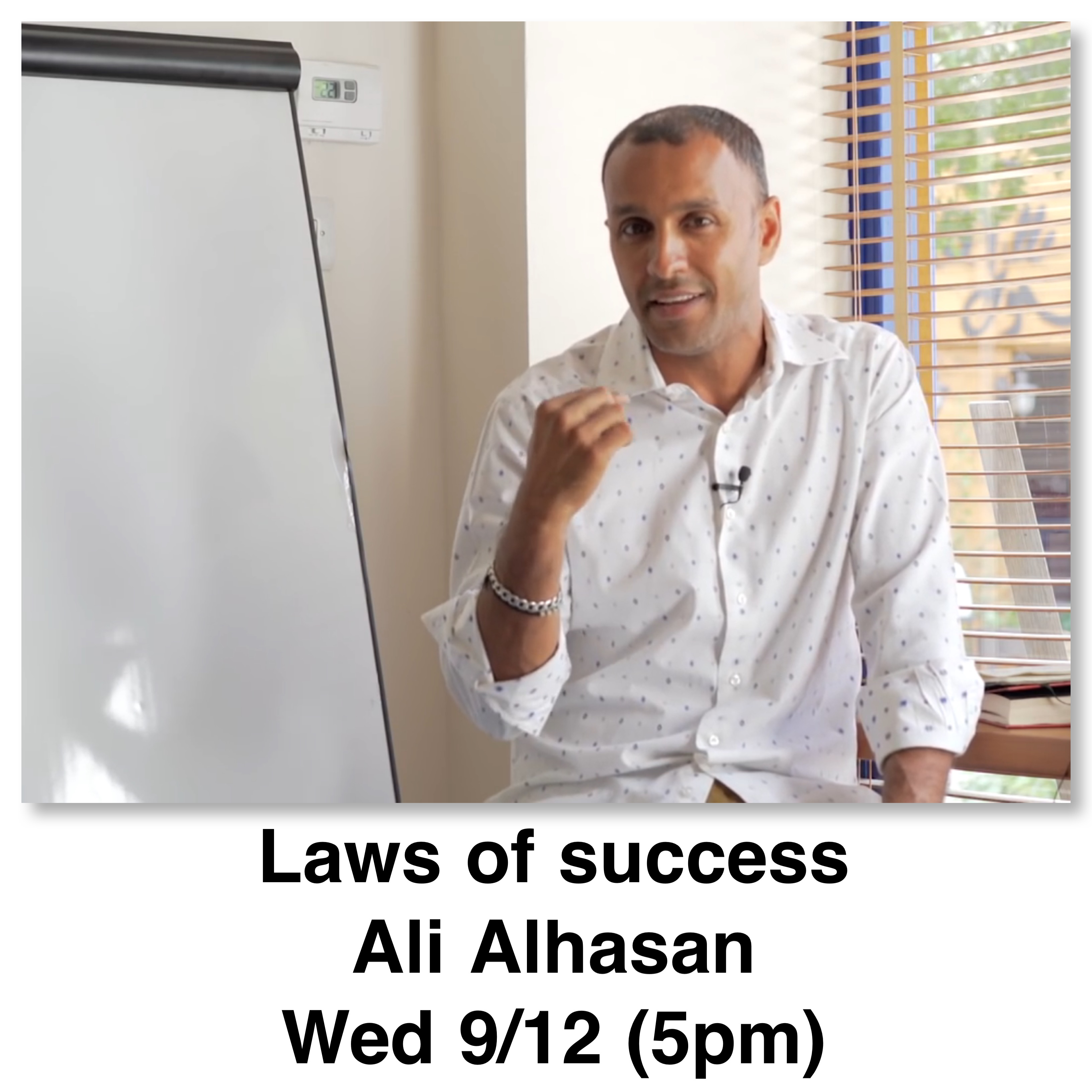
Laws of success. My friend Ali Alhasan will be our guest and he will give us a personal development lecture and discussion session. Always helpful to me and I think you will feel the same.
A year of EHRAB
We had a very successful year reading amazing biology. Below is a graph indicating the number of scientific paper we read. We have started EHRAB by meeting every week and discussing 2 papers in every session. After few weeks, we have realized that 2 papers are too much due with the academic commitments of the participants (especially students). We decided to discuss a single paper and proved to be a better choice.
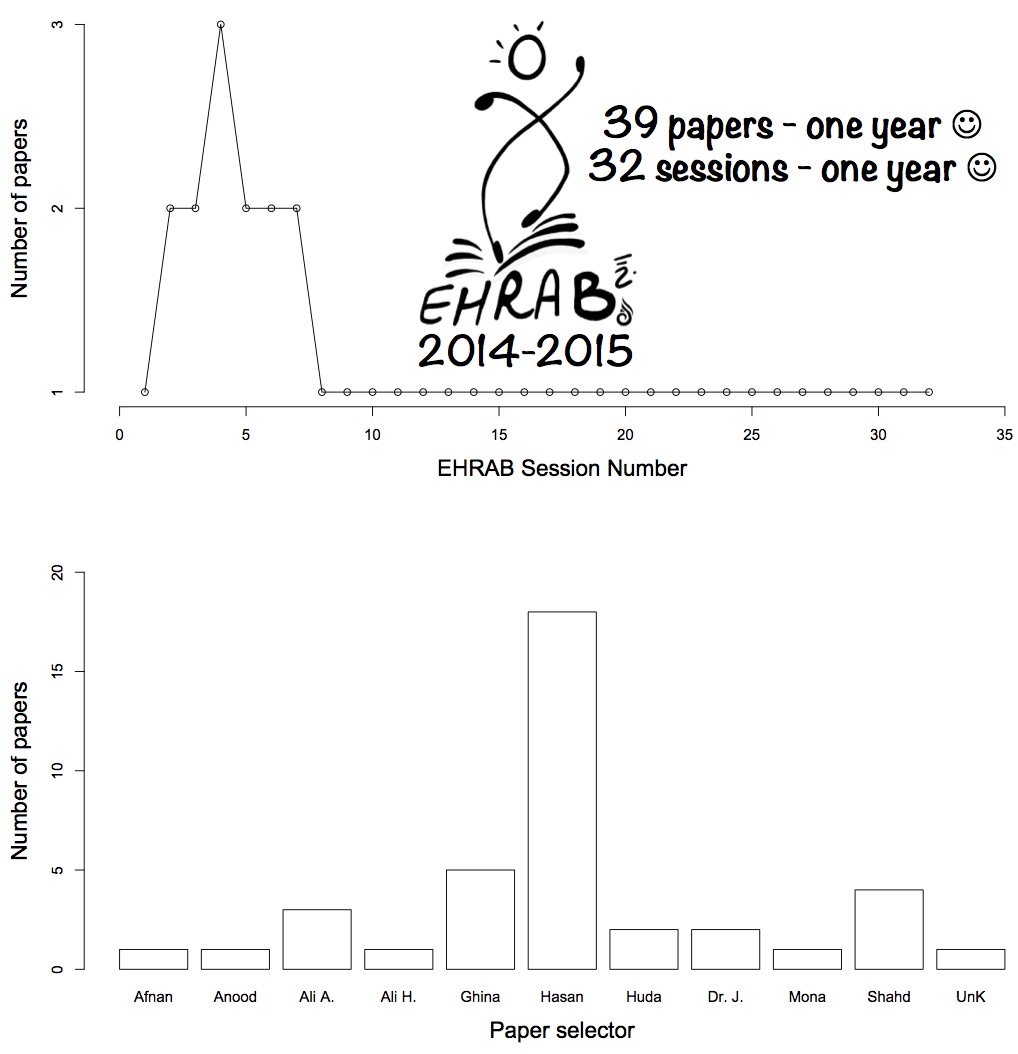
Many participants suggested papers to be discussed. The graph above shows the numbers of papers per participant. I hope to see participants select more paper and become more active in EHRAB.
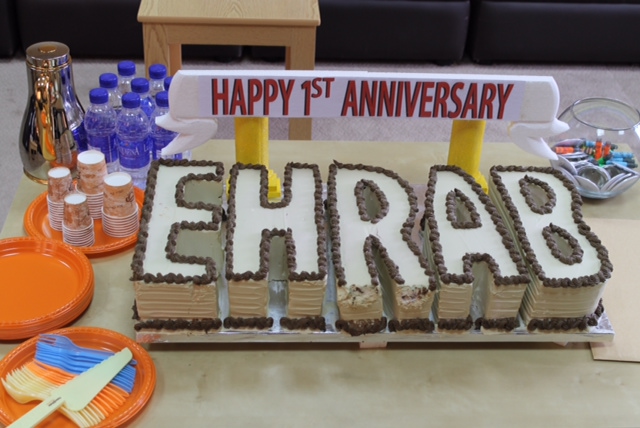
My graduate student Mona Abdi suggested a gathering to celebrate the first anniversary of EHRAB. She organized the meeting. While we enjoyed a cake and coffee (tasty stuff) , we also shared likes and dislikes about EHRAB during 2014-2015. I was surprised to know how much students learned during the sessions. The most notable comment was ” we are not afraid of papers anymore”. That alone is a success for me 🙂
Based on suggestions by participants, we have decided to have a theme for EHRAB every semester. The theme would be a scientific biological concept and papers discussed would be related to the concept. EHRAB during fall 2015 will be focusing on DNA mutations. We will be meeting every other week to ensure that everybody had a chance to read the papers and everybody is eager to escape to biology.
Introduction to Genomics (485) – Several classes
Fall 2019
Group 1: Popular insects
(Nouf: Argentine Ant, Muneera: Bee, Habiba: Butterfly, Baty: Longhorned Beetle, Maryam M: Cockroach)
Presentation: 485_Insects
Group 2: Farm birds
(Fajer: Turkey, Maryam: Pigeon1 Pigeon2, Fatima A: Red Junglefowl, Sara: Duck, Shrouq: Ostrich1 Ostrich2)
Presentation: 485_Farmbirds
Group 3: Reptiles
(Fatma G: Giant Tortoise, Fatma A: Green Anole Lizard, Zainab: Komodo Dragon, Fatima J: Crocodilian, Hanan: Snake)
Presentation: 485_Reptiles
Group 4: Edible fish
(Noor: Salmon, Haneen: Rainbow Trout, Shouq: Tuna, Haya: Sardine, Aisha: Sea bass)
Presentation: 485_EdibleFish
Group 5: Exotic mammals
(Hana: Giant Panda, Shaikha: Koala, Bashayer: Platypus, Amna: Kangaroo, Heba: Giraffe)
Presentation: 485_ExoticMammals
Fall 2015:
Rana (E.coli), Albandary (Arabidopsis), Fahad (Zebrafish), Tasneem (C. elegans), Iman (phage), Fatemah (Corn), Shuroq (Mouse), Maliha (Fly), Sakina (Thermus, thermophilus, Oceanithermus profundus, Deinococcus radiodurans), Randa (Yeast), Ali (Human)
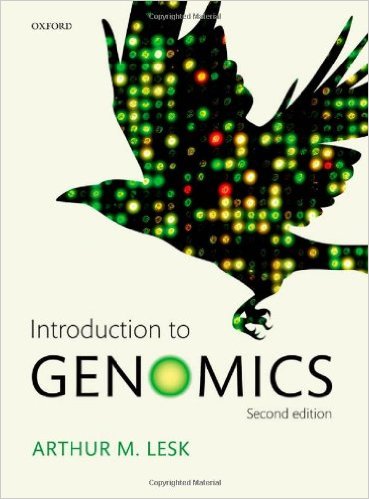
The assigned book for the Introduction to Genomics (485)
First EHRAB Anniversary
Welcome my friend and collaborator
Sunday April 26th
EHRAB week 34
The role of humans in facilitating and sustaining coat colour variation in domestic animals by Anna Linderholm and Greger Larson
Paper selected by HA
Sunday April 19th
EHRAB week 33
Vertebrate pigmentation: from underlying genes to adaptive function by Hubbard et. al.
Paper selected by HA
Sunday April 12th
EHRAB week 32
Microbiota and neurodevelopmental windows: implications for brain disorders by Borre et. al.
Paper selected by Shahad Aljandal